
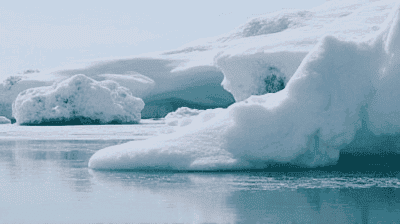
The Arctic region is undergoing rapid changes due to climate change, with temperatures rising at more than twice the global average. One of the most significant consequences of these rising temperatures is the thawing of permafrost—a layer of permanently frozen soil that has remained unchanged for thousands of years. As permafrost thaws, it not only releases greenhouse gases such as carbon dioxide and methane but also poses a less direct yet equally alarming risk: the potential release of ancient pathogens.

The concept of rewilding has gained significant attention in recent years as a potential solution for restoring degraded ecosystems and enhancing biodiversity. At the heart of this movement lies the idea of reintroducing apex predators—top-tier carnivores that play a crucial role in maintaining the balance of ecosystems.
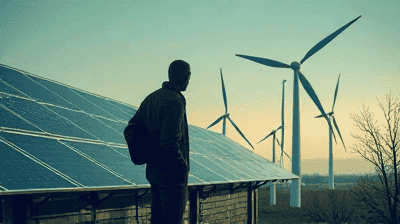
As the urgency to combat climate change intensifies, the world is increasingly turning to renewable energy sources such as solar and wind power. These energy forms are often touted as environmentally friendly alternatives to fossil fuels, promising to reduce greenhouse gas emissions and pollution.